A life in dance, passed on to the children of Monaco
Ananyan Ballet grew out of one simple conviction: the children of the Principality deserve serious classical training, without having to be selected in order to receive it.
Victoria Ananyan
Victoria Ananyan, founder and artistic director of Ananyan Ballet, was a principal dancer with Les Ballets de Monte-Carlo for ten years, under the direction of Jean-Christophe Maillot and the patronage of H.R.H. the Princess of Hanover.
Trained first by her mother, herself a teacher of classical dance, and only then at the Perm State Choreographic School, from which she graduated with honours in 2003, she has performed at the Théâtre Garnier, at the Grimaldi Forum and on the main stages of Europe, North America and Asia, in lead roles across a repertoire that includes Swan Lake, The Sleeping Beauty, Romeo and Juliet, The Nutcracker and La Bayadère. She also danced at the opening ceremony of the 2014 Winter Olympic Games in Sochi.
After her stage career she founded Ananyan Ballet in Monaco, a classical dance school open to the children of the Principality without prior selection. She holds an MBA from the International University of Monaco (2024) and received the Best Entrepreneurial Project award from the Monaco Economic Board. She also holds two teaching diplomas obtained at the PNSD Rosella Hightower.
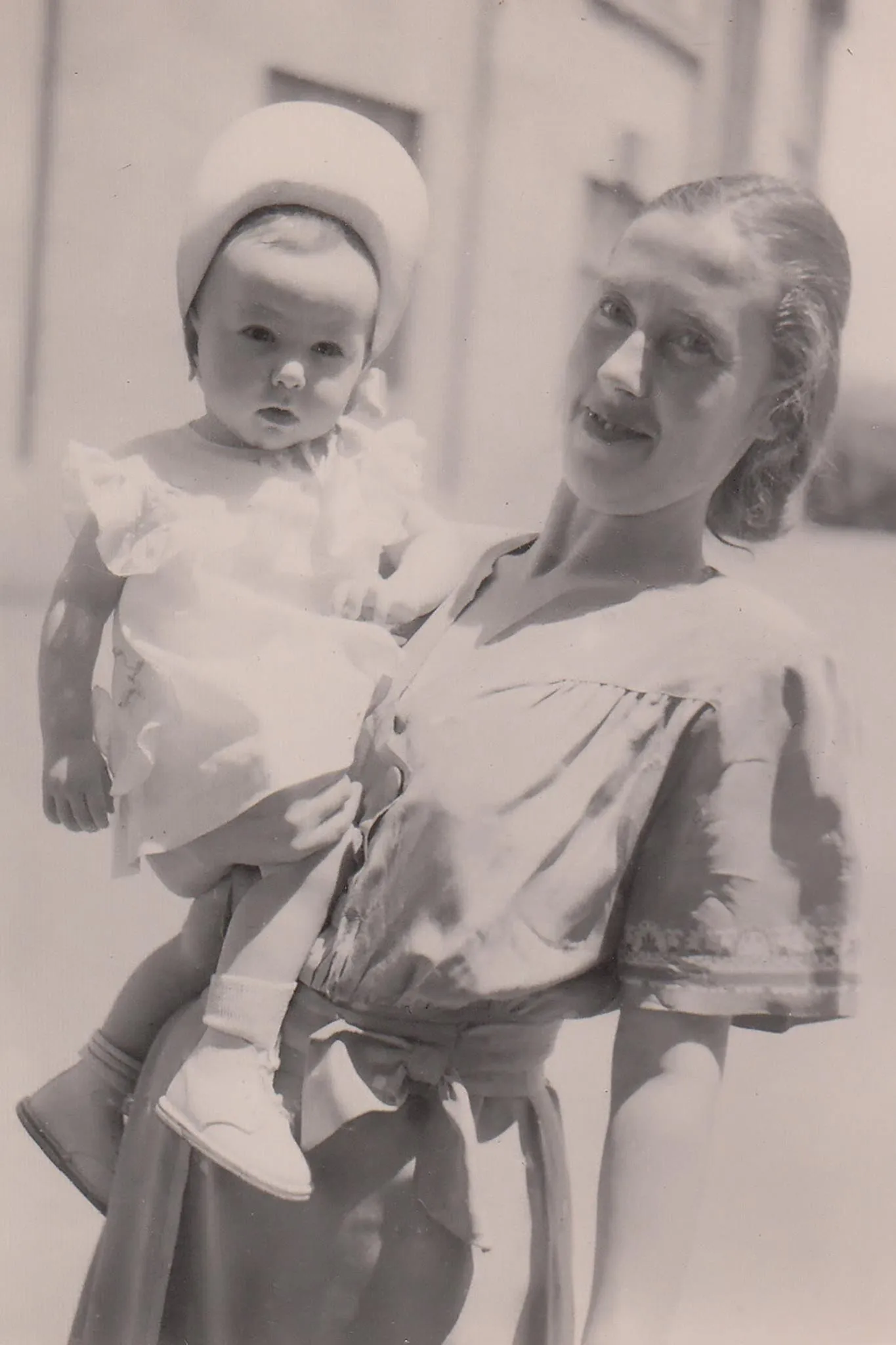
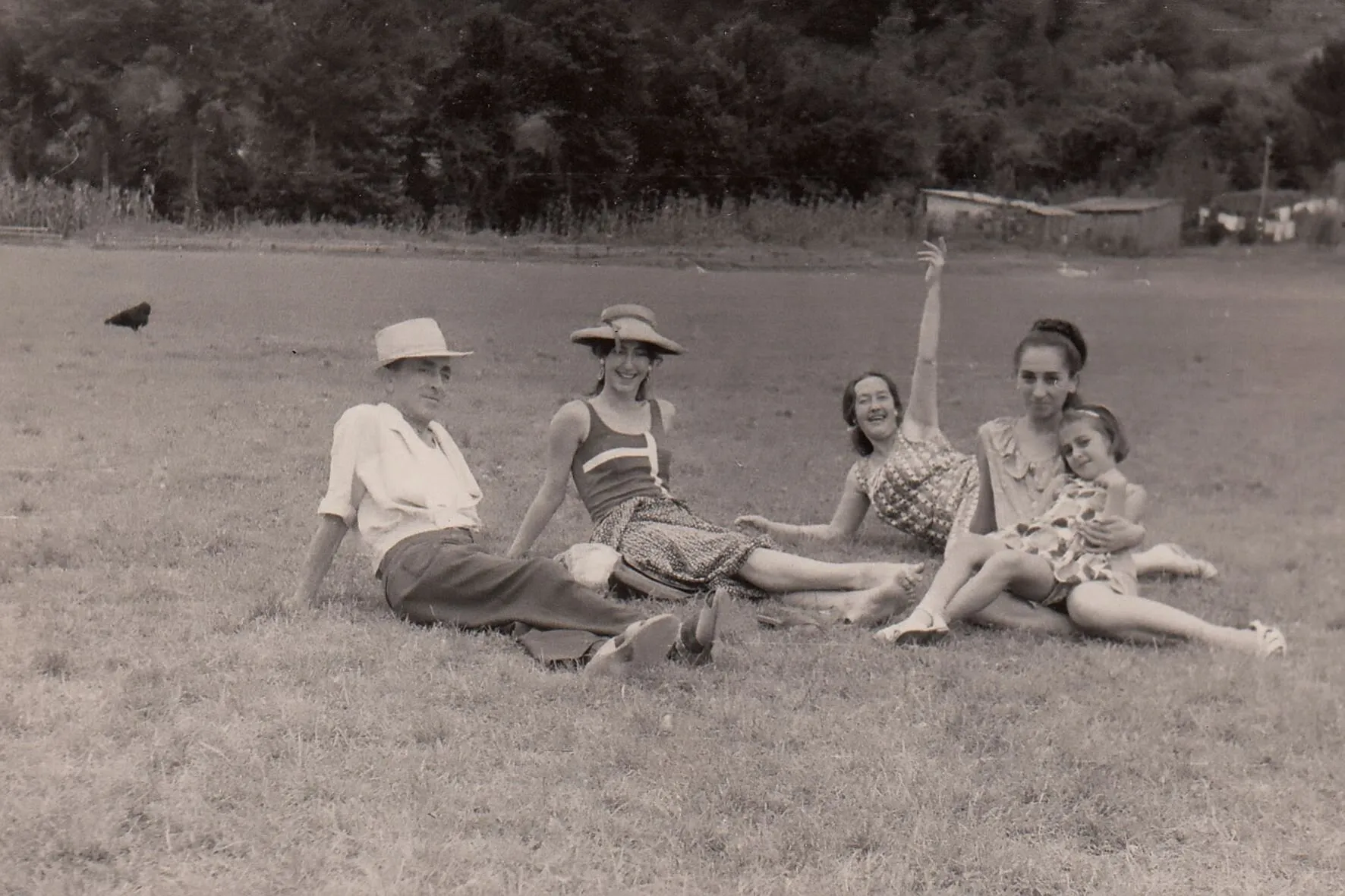
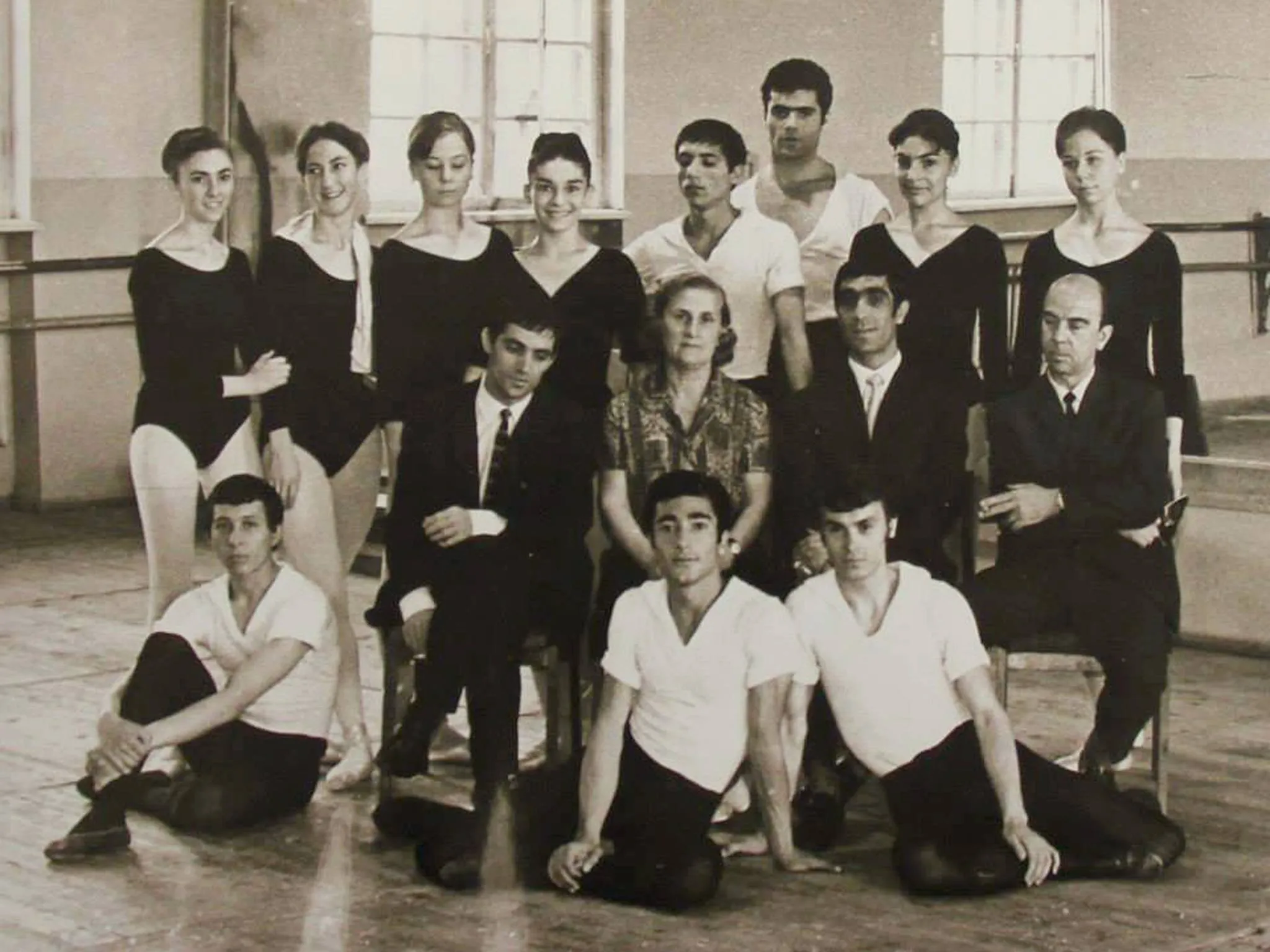
Three generations
In this family, dance was not chosen, it was handed down. Victoria's grandmother trained in St Petersburg. The pedagogue who taught her is the very one who, years later, taught Victoria's own teacher in Perm.
In other words: her teacher's teacher had already taught her grandmother. Victoria does not regard that as a coincidence.
Her mother, Zhanna Muradyan, was her first teacher and has remained so. She founded the Tokyo ballet school and taught there; the first Japanese ballerina to dance in St Petersburg was one of her students. Today she teaches in Monaco, beside Victoria, and follows the same children.
Between the two of them, over fifty years of ballet pedagogy.
“My mother is the alphabet of classical ballet.”
This changes very concrete things. A correction given to a six-year-old is not an intuition: it is a gesture learned from someone who had learned it in turn. Nothing in this school was invented last week.
The method
The teaching rests on the foundations of the Vaganova tradition, the St Petersburg tradition, which Victoria received in Perm and which her mother and grandmother had received before her. Classical work remains the base. Added to it, without replacing it, are elements of the French, Italian, English and American schools, and later contemporary as a discipline in its own right.
The programme is her own: the rigour of the classical system, without the selection that usually comes with it. A child in Monaco will never train five hours a day, and Victoria knows this. The whole question is what can be built with the hours actually available.
“You cannot miss one brick and just go faster. But for what we do in the hours we have, the results are there.”
What happens in the studio
A class keeps the classical order: the barre to place and wake the body, the centre where the work done at the barre has to hold without support, then travelling steps and repertoire. That order does not change with age.
What changes is the tempo. A child asked to spend twelve counts stretching the foot and twelve counts bringing it back does not come back the following week. So Victoria built her class differently: explain, then move on, and teach children to dance early rather than only to exercise. The accent falls on musicality and on what each student has that is their own.
What you can see
“You can see my children by the posture, by the open back, by the verticality, by their movements, large and clean. We do not do dirty dancing.”
Five markers, visible from the doorway, and visible across the whole group rather than on one star student.
Posture
The body is held from the first exercise to the last, and not only when someone is watching. It is the first thing learned and the last thing lost.
The open back
Shoulders down, chest open, shoulder blades in place. A closed back is visible from ten metres away, and it corrects badly once it has settled in.
Verticality
Placement before everything else. Until the vertical line is there, adding speed or height serves no purpose.
Large movements
The gesture goes all the way, at full amplitude, and stays clean. Large and clean at the same time: that is where the work becomes hard.
Nothing dirty
No approximate passage is let through because what follows is pretty. A badly finished step is done again, at any age.
Ensemble before the spotlight
“Every parent wants their child in the spotlight. I also teach them how to be in ensemble, how to work in a group, and how to hold their egos.”
The students who commit the most naturally receive more, and that is fair. But the training is not there to manufacture soloists. It is there to make dancers able to hold their place in a group that dances together, which is harder and lasts longer.
It is also what dance leaves behind when one does not become a dancer: resilience, consistency, respect, and the habit of starting again.
An academy, not a studio
The distinction is not cosmetic. In an academy, those who teach were trained to teach, the method is written down and transmissible, and it has to be able to outlive the person who brought it. That is why Victoria also trains future teachers.
A family entrusting their child has the right to know who is standing in front of them, and what that person learned before correcting them.
Diplomas and results
Training and distinctions
- Graduated with honours from the Perm State Choreographic School, 2003
- French State diploma in dance teaching, classical option
- Diplôme national supérieur professionnel, PNSD Rosella Hightower
- MBA, International University of Monaco
- Best Entrepreneurial Project award, Monaco Economic Board, 2025
- Principal dancer with Les Ballets de Monte-Carlo for ten years, under the direction of Jean-Christophe Maillot
- Opening ceremony of the 2014 Winter Olympic Games in Sochi
What the students have done
In 2026 the school took part in the 27th International Competition of Toulon. The whole class went, without selecting the strongest students, and without a prior rehearsal on the stage. Those students were training about three hours a week, against schools whose students train sixteen hours a week.
They took second place. Shortly afterwards, in Sanremo, another student again took second place.
This does not mean that three hours are worth sixteen. It means that what you do with those three hours counts for more than people think, and that a child who was not sorted at the door can go a long way.
“These are not imported professionals, they are Monaco's own children, and they are performing at a level that speaks for itself.”
Alongside, not against
Monaco already has a school of the highest level, the Académie Princesse Grace, which selects its students from around the world and prepares them for the profession. It does what it does well, and Ananyan Ballet seeks neither to replace it nor to compete with it.
Something was simply missing for the children who live here and would like to learn seriously without having been chosen for it. Both places are needed, and they do not address the same families.
“I am not entering as an enemy. I want the same education for everyone.”
Come and see a class
To understand a school, the simplest thing is to walk into it. The first class is a trial, free and with no commitment.
Book a trial class